



How Aging Vehicle Fleets Are Shaping the Demand for Auto Repair in Canada
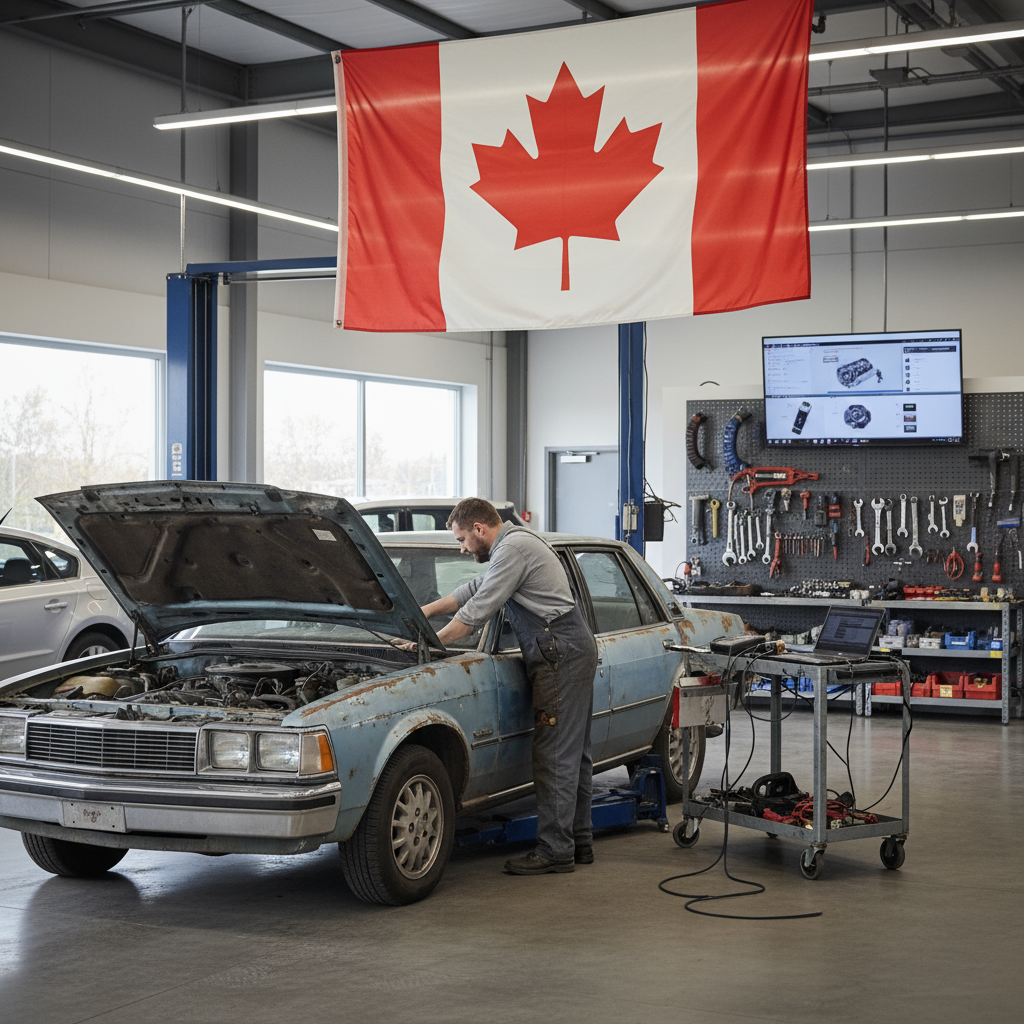
As Canada’s vehicle fleet ages, there is a significant rising demand for automotive repair services nationwide. Maintaining aging vehicles often requires more frequent and specialized attention, which is reshaping the automotive repair landscape in Canada. This blog explores how aging vehicles contribute to growing automotive repair needs and the key trends driving the market forward in 2025. It provides insights for vehicle owners and industry players alike, emphasizing the importance of proactive maintenance and technological adaptation.
Automotive Repair in Canada | Aging Vehicle Maintenance Trends
Canada’s automotive repair market is evolving amid changing vehicle ownership habits. Canadians are holding onto their vehicles longer, with the average age of passenger vehicles increasing to around 10.4 years. This aging fleet results from factors such as economic uncertainty, rising new vehicle prices, and preferences for sustainability. Subsequently, more vehicles fall out of warranty coverage, necessitating increased aftermarket repairs and maintenance.
Demand for automotive repair in Canada is expected to continue growing robustly. Industry estimates project consistent market expansion, driven by the increasing complexity of vehicle technologies and the growing vehicle population on Canadian roads.
Driving Forces Behind Increased Automotive Repair in Canada
- Growing Vehicle Age: Older vehicles require more frequent repairs and part replacements due to wear and tear, accelerating the need for professional maintenance and repair services. Vehicles beyond 6 years old represent the majority of Canada’s fleet, with long-term ownership becoming the norm.
- Rising Repair Visits: According to J.D. Power’s 2025 Canada Customer Service Index study, annual service visits per vehicle aged 4-12 years have increased notably in recent years. Dealership and aftermarket service visits are both seeing upward trends, driven by complex needs of aging vehicles.
- Technological Complexity: Modern vehicles, including hybrids and electrics, demand highly skilled technicians and advanced diagnostic tools. The combination of older and newer vehicles in operation stresses the sector to meet a broad range of mechanical and electronic repairs.
- Economic Pressures: Economic factors like inflation drive consumers to maintain their existing vehicles longer instead of purchasing new cars, fueling demand for reliable, cost-effective automotive repair solutions.
Key Changes and Innovations in Automotive Repair
The automotive repair industry in Canada is embracing several changes to better serve the aging vehicle fleet and meet evolving customer expectations:
- Predictive Maintenance: Use of data analytics and connected vehicle technologies allows for early detection of potential repair needs, helping avoid costly breakdowns and increasing vehicle longevity.
- Specialized Technician Training: Technicians require ongoing training to master hybrid electric systems, advanced driver assistance systems (ADAS), and complex diagnostics—especially relevant as the vehicle mix diversifies.
- Integration of Sustainable Practices: Many repair shops are adopting environmentally friendly practices, including recycling parts and smarter waste management, aligning with broader trends in sustainability.
- Enhanced Customer Experience: From appointment scheduling to transparent pricing and service tracking, digital platforms improve communication and convenience for vehicle owners seeking repair services.
Benefits of Proactive Aging Vehicle Maintenance
Aging vehicle maintenance minimizes breakdowns, prolongs vehicle life, and improves safety—critical reasons Canadians are increasingly investing in such services. Regular inspections, fluid changes, brake servicing, and battery checks are part of an ideal maintenance routine for aging cars.
Proactive maintenance also helps control long-term repair costs. Neglecting small issues often leads to expensive repairs or premature vehicle retirement. With older fleets growing in Canada, education around maintenance is vital to keep vehicles running smoothly.

Trending FAQs about Automotive Repair in Canada
Q1: Why is automotive repair demand rising in Canada?
A: Longer vehicle ownership, aging fleets, increasing repair complexity, and economic factors contribute to higher demand for automotive repairs.
Q2: Are electric vehicles harder to repair?
A: Yes, EVs require specialized diagnostic tools and safety protocols; however, many repair shops in Canada are upgrading capabilities accordingly.
Q3: How often should an aging vehicle be serviced?
A: Service frequency depends on the vehicle’s condition, but regular inspections every 6 months to a year are recommended for optimal performance.
Q4: Can predictive maintenance reduce repair costs?
A: Absolutely. Predictive maintenance helps identify issues early, preventing major repairs and extending vehicle lifespan.
Q5: What are common repairs for aging vehicles?
A: Brake replacement, battery and alternator repair, suspension components, engine tune-ups, and fluid system maintenance are typical for older vehicles.
Conclusion
With the average Canadian vehicle aging steadily, automotive repair in Canada is becoming more crucial than ever before. The growing complexity of older vehicles and consumers’ preference to maintain rather than replace cars is fueling industry growth. By staying informed about aging vehicle maintenance and embracing advancements in repair technology, Canadian vehicle owners can extend vehicle life and ensure safety on the road.
For expert automotive repair services tailored to Canada’s aging vehicle fleet, visit Launch Auto Service’s full automotive mechanic services to keep your vehicle running reliably for years to come.
As Canada’s vehicle fleet ages, there is a significant rising demand for automotive repair services nationwide. Maintaining aging vehicles often requires more frequent and specialized attention, which is reshaping the automotive repair landscape in Canada. This blog explores how aging vehicles contribute to growing automotive repair needs and the key trends driving the market forward in 2025. It provides insights for vehicle owners and industry players alike, emphasizing the importance of proactive maintenance and technological adaptation.